
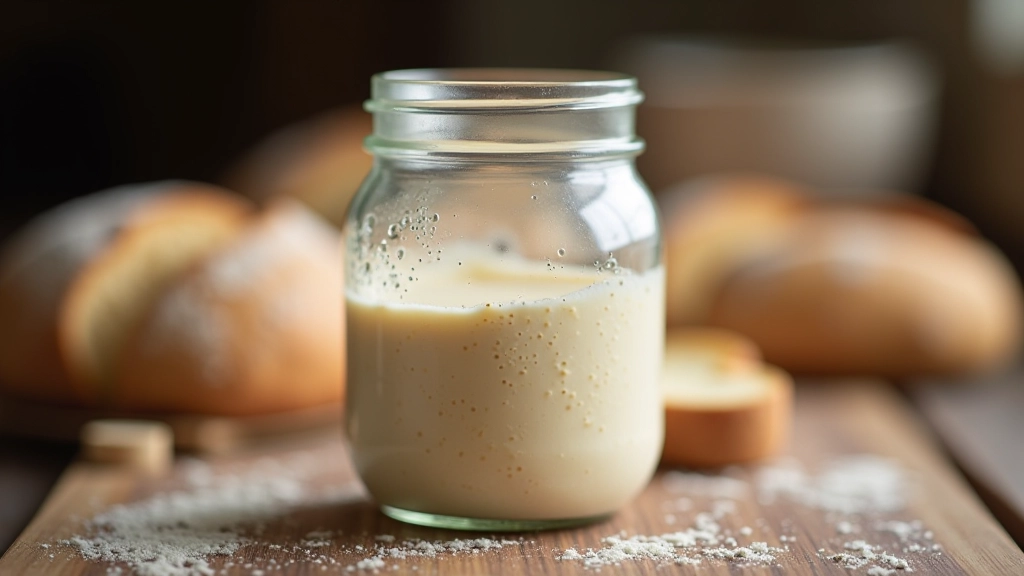
Building Your First Sourdough Starter
Step-by-step process for creating an active starter from flour and water. Takes about 5-7 days to get going, and we'll walk you through feeding schedules and what to look for at each stage.
A complete overview of our Kenmare weekend baking classes. Learn what we cover, what you'll bake, and what to bring.
Author
Editorial Team
Written by the Kenmare Sourdough Editorial Team, focused on clear, practical guidance for sourdough bakers of all levels.
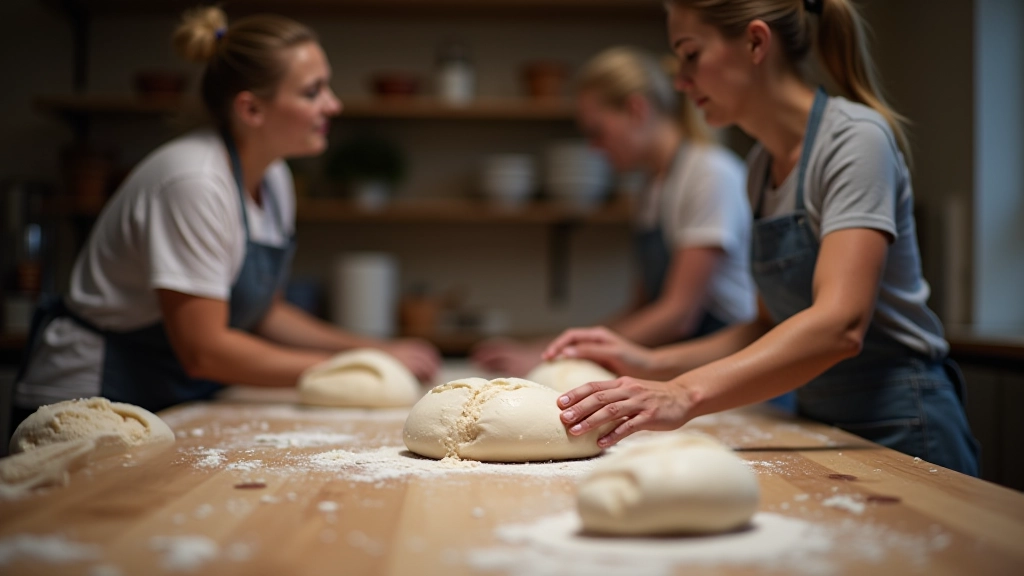
Our weekend workshops aren't your typical baking class. We're not here to rush through techniques or lecture at you from a podium. Instead, we've built something hands-on where you're actually doing the work, getting feedback in real time, and taking home bread you've shaped and baked yourself.
Here's what happens over a typical Saturday or Sunday with us. You'll arrive early enough to ease in, meet your fellow bakers, and understand what we're tackling that day. The whole thing runs about 6 hours, with a proper break for lunch where you can chat with other participants and the coaches.
We keep things organized but not rigid. Every workshop starts the same way — we gather, introduce ourselves, and I'll walk you through what we're doing and why. Takes about 20 minutes, nothing fancy.
Get to know the space, the equipment, and what you're working with. We'll talk about flour hydration, fermentation, and what makes a good loaf different from a mediocre one.
You'll mix your dough from scratch. Nothing is pre-made. We watch how it comes together, feel the gluten developing, and set it aside for the first fermentation phase — about 3 hours.
Your dough is working while you're eating. This is a real break — sit down, relax, chat with other participants. We're close enough that you can grab lunch locally if you prefer.
This is where most people get nervous, but it's honestly the most satisfying part. You'll shape your loaf, score it, and get it ready for the final rise — about 90 minutes.
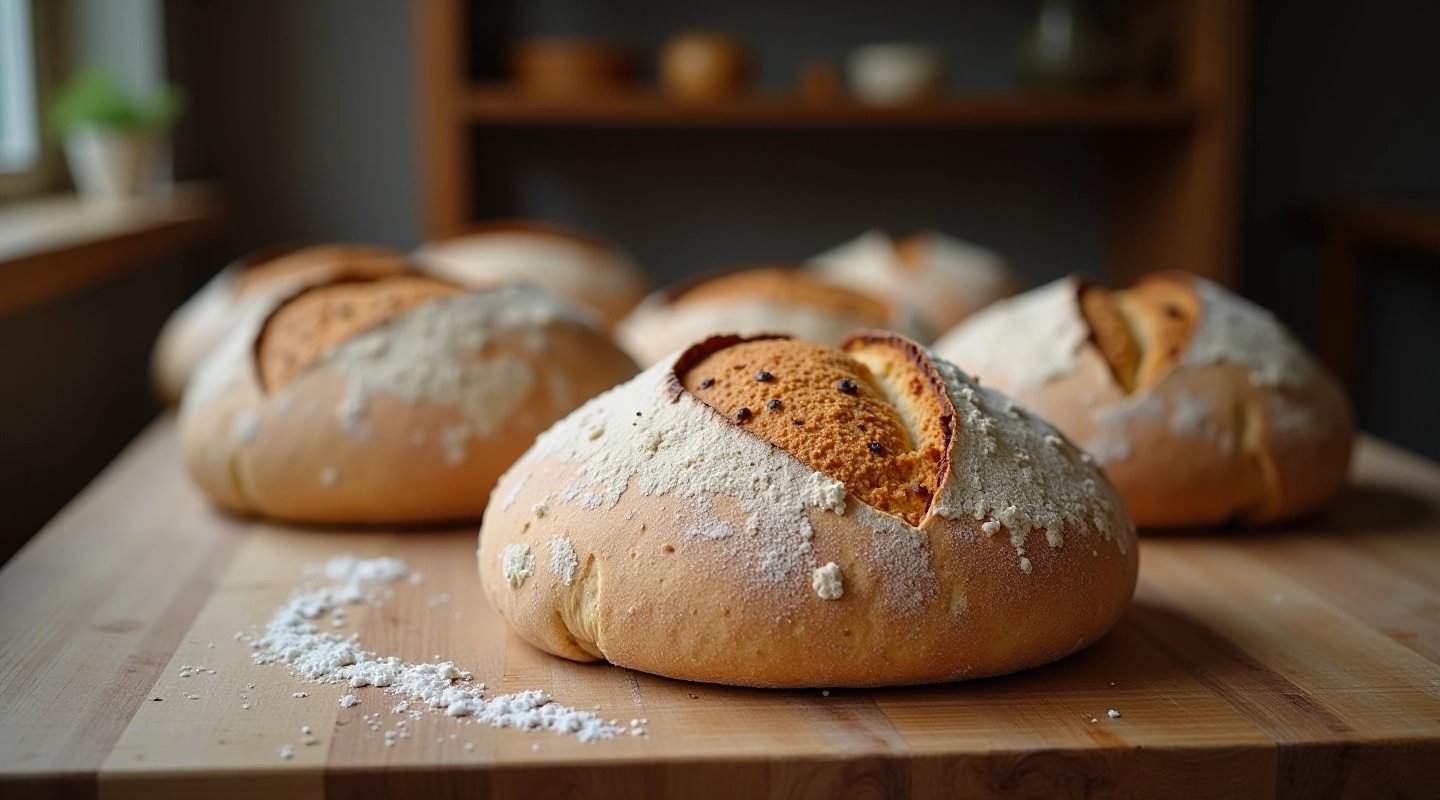
You'll load your loaf into our oven and watch it bake. About 40 minutes in the oven, then you're taking home warm bread you made yourself. Wrap it properly and it'll stay fresh for 3-4 days.
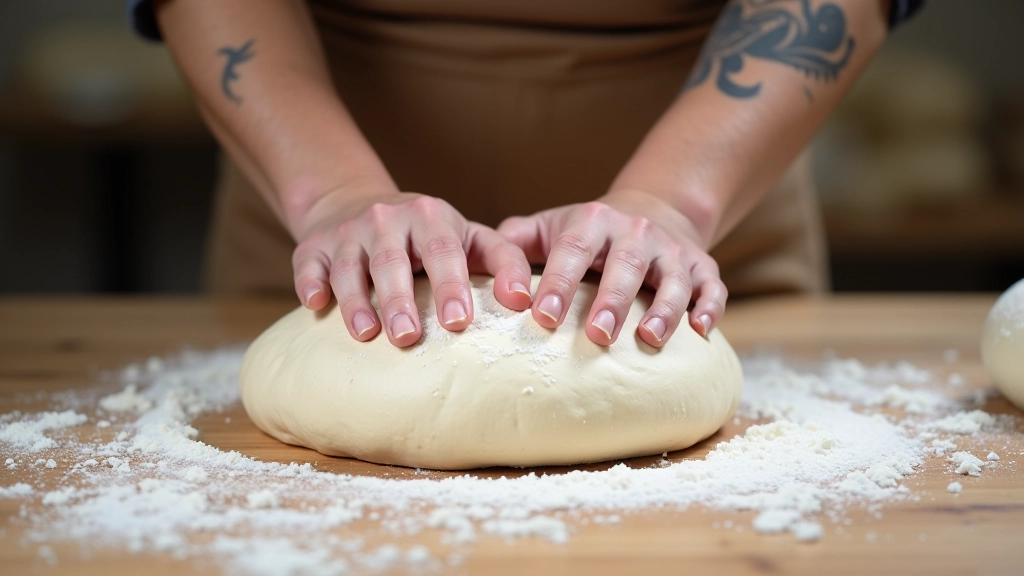
Our workshops are hands-on and move at a good pace. You'll be standing for most of the day, working with warm dough, and using an oven. Wear comfortable shoes and clothes you don't mind getting flour on. If you have dietary restrictions or allergies, let us know beforehand — we can work around them. The environment gets warm when the oven's running, so dress in layers.
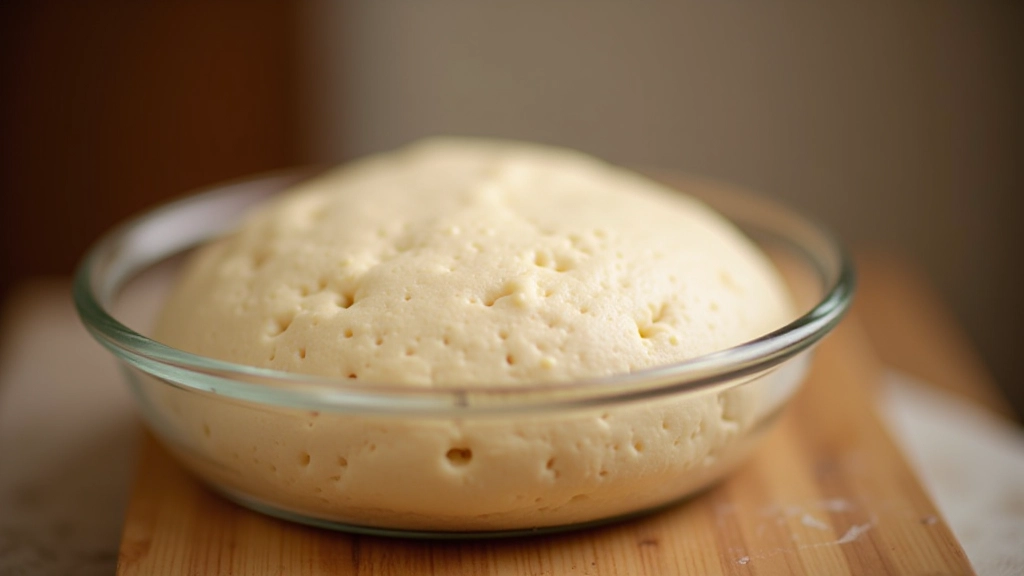
We don't teach sourdough from a recipe card. Instead, we focus on understanding what's happening at each stage. Why does fermentation temperature matter? How do you tell when your dough is ready to shape just by looking at it? What does properly developed gluten feel like under your hands?
You'll get comfortable reading your dough instead of watching the clock. Some days it ferments faster, some slower — it depends on room temperature, flour type, and hydration. Once you understand the why, you'll know how to adjust without overthinking it.
We also cover common mistakes we see regularly. Dense crumb usually means underproofing or not enough gluten development. Gummy texture? That's often overproofing or cutting into the loaf too early. You'll leave knowing how to spot these issues in your own baking and how to fix them next time.
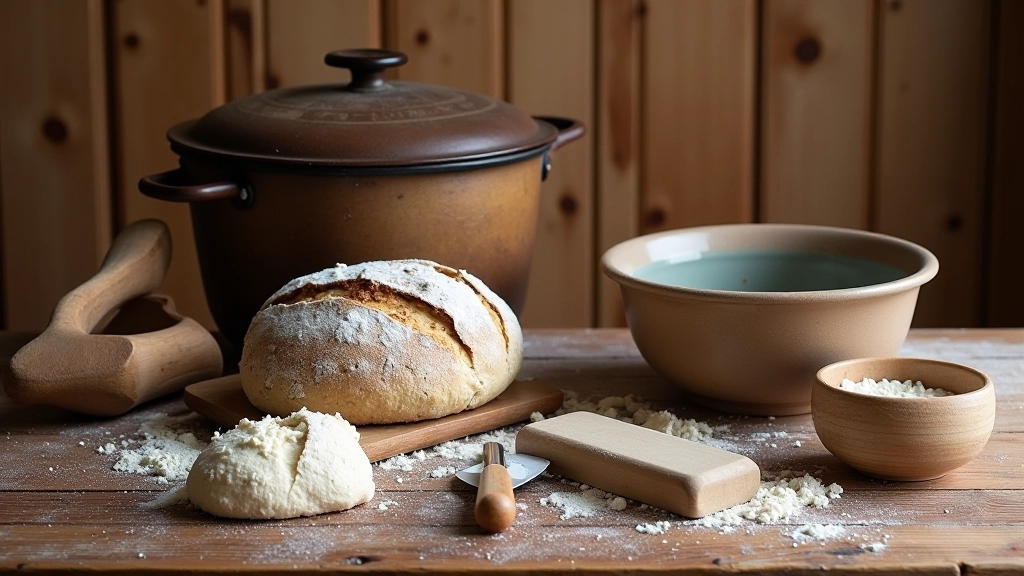
We handle the heavy stuff. You don't need to bring flour, a Dutch oven, a bench scraper, or a banneton. We've got all of it. What we do need from you is comfortable clothing, a notebook if you like taking notes, and maybe a container for your loaf at the end.
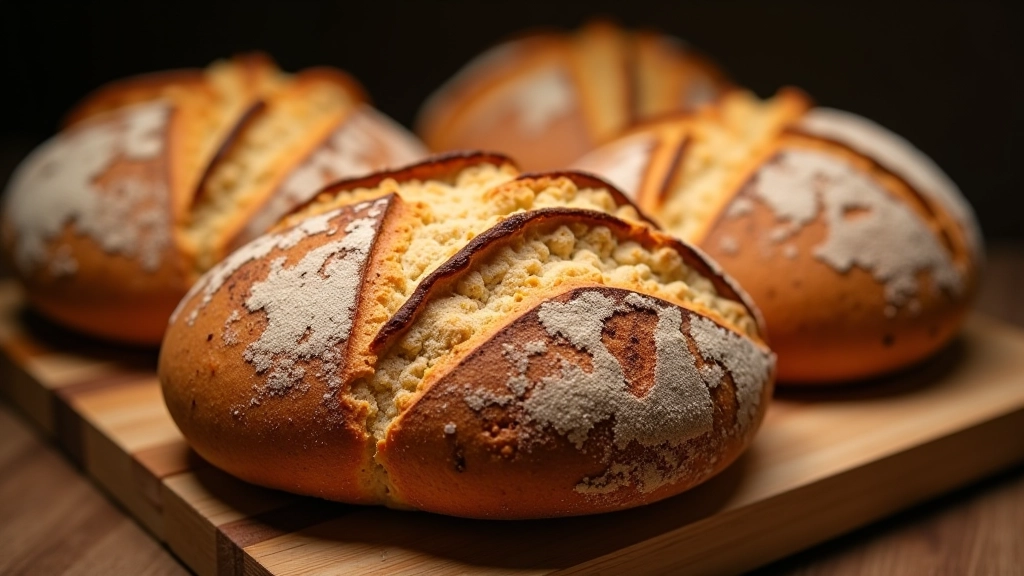
Look, we keep groups small — usually 8 to 12 people max. That means everyone gets real attention. If you're struggling with shaping, someone's going to spend time with you. If you've got a question about fermentation timing, we'll talk through it properly instead of rushing to the next group.
You're also baking alongside people who are genuinely interested in sourdough. Some folks are complete beginners, some have tried baking at home and want to level up, and some are just curious. There's usually good energy in the room — people helping each other, asking questions, and genuinely excited about the bread coming out of the oven at the end.
By the time you're leaving with your finished loaf, you won't feel like you've just attended a class. You'll feel like you've actually made something real. Because you have. And you'll know exactly how to do it again at home.
Explore more guides to deepen your baking knowledge
Step-by-step process for creating an active starter from flour and water. Takes about 5-7 days to get going, and we'll walk you through feeding schedules and what to look for at each stage.
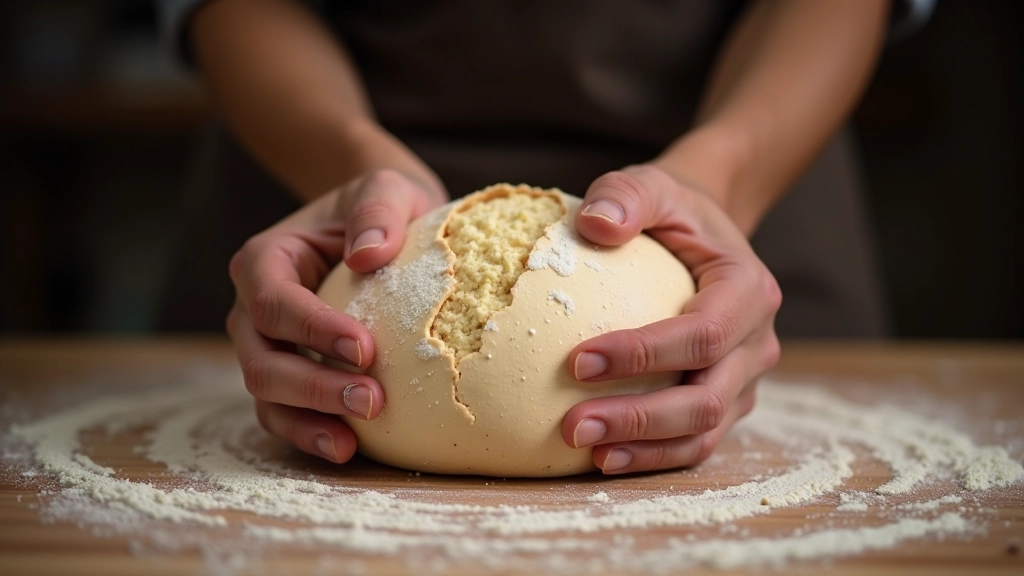
Common shaping mistakes and how to fix them. Learn tension, scoring, and the difference between a tight shape and an overworked dough. We'll cover boule, batard, and elongated loaves.
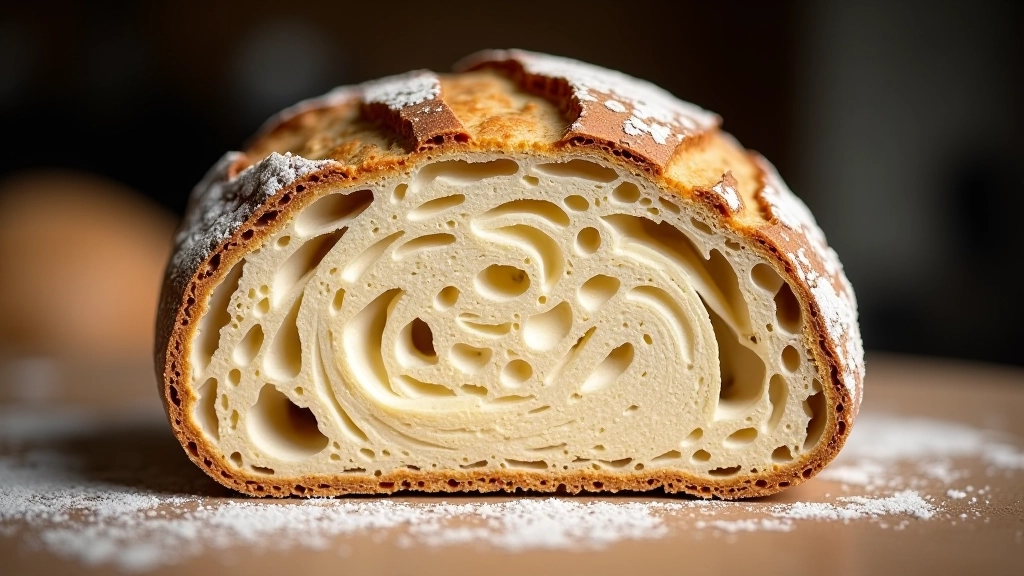
What causes common sourdough problems and how to adjust fermentation time, hydration, and gluten development. Includes diagrams of what to look for in your finished loaves.